Cannabis Prevention
Let’s Weed Out The Risks
What’s the Buzz About Cannabis?
- Increase use of cannabis: Over the past decade there has been a steady increase of past-year cannabis use
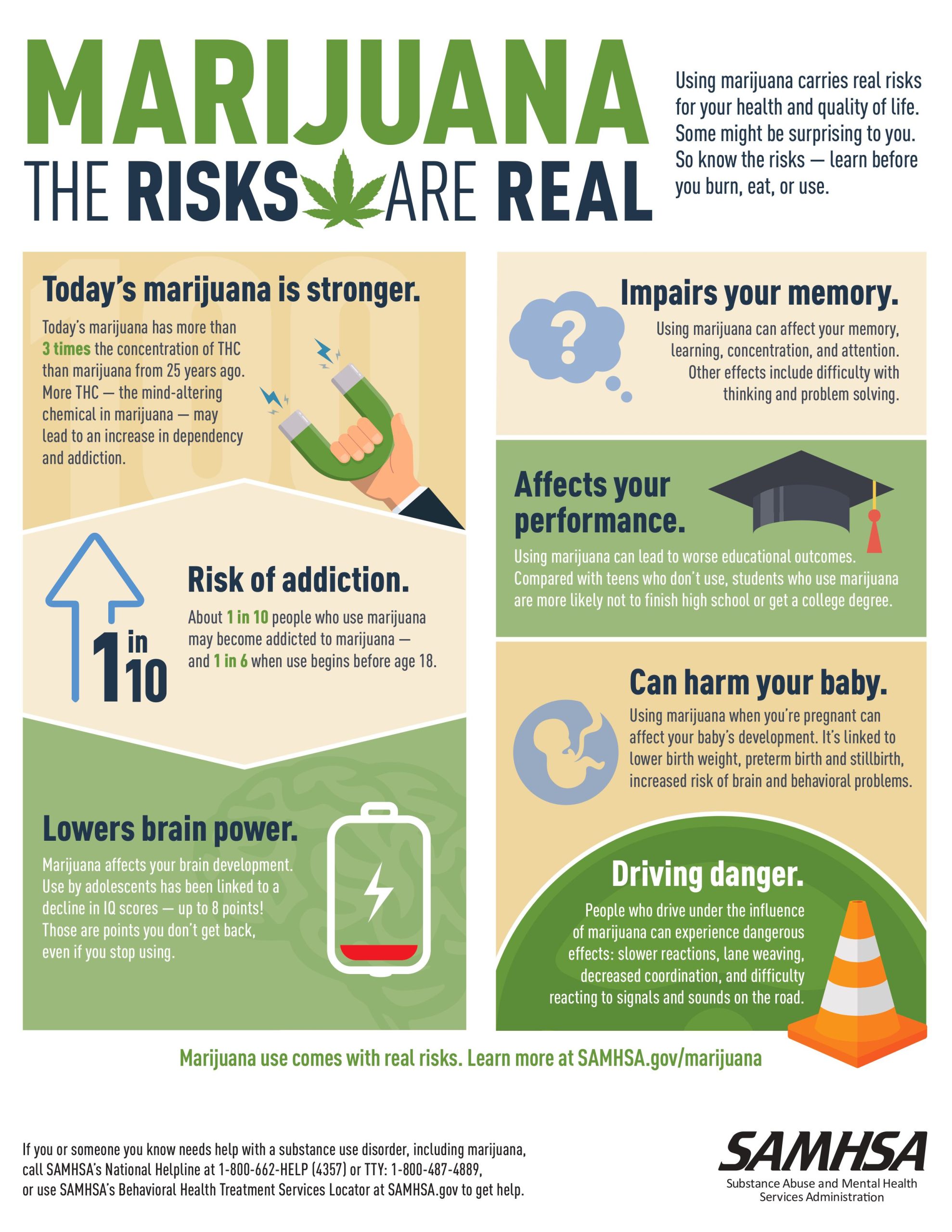
- Increase in potency: 3 times concentration of THC in current cannabis supply compared to previous decades
- Causing strong effects on the brain and body
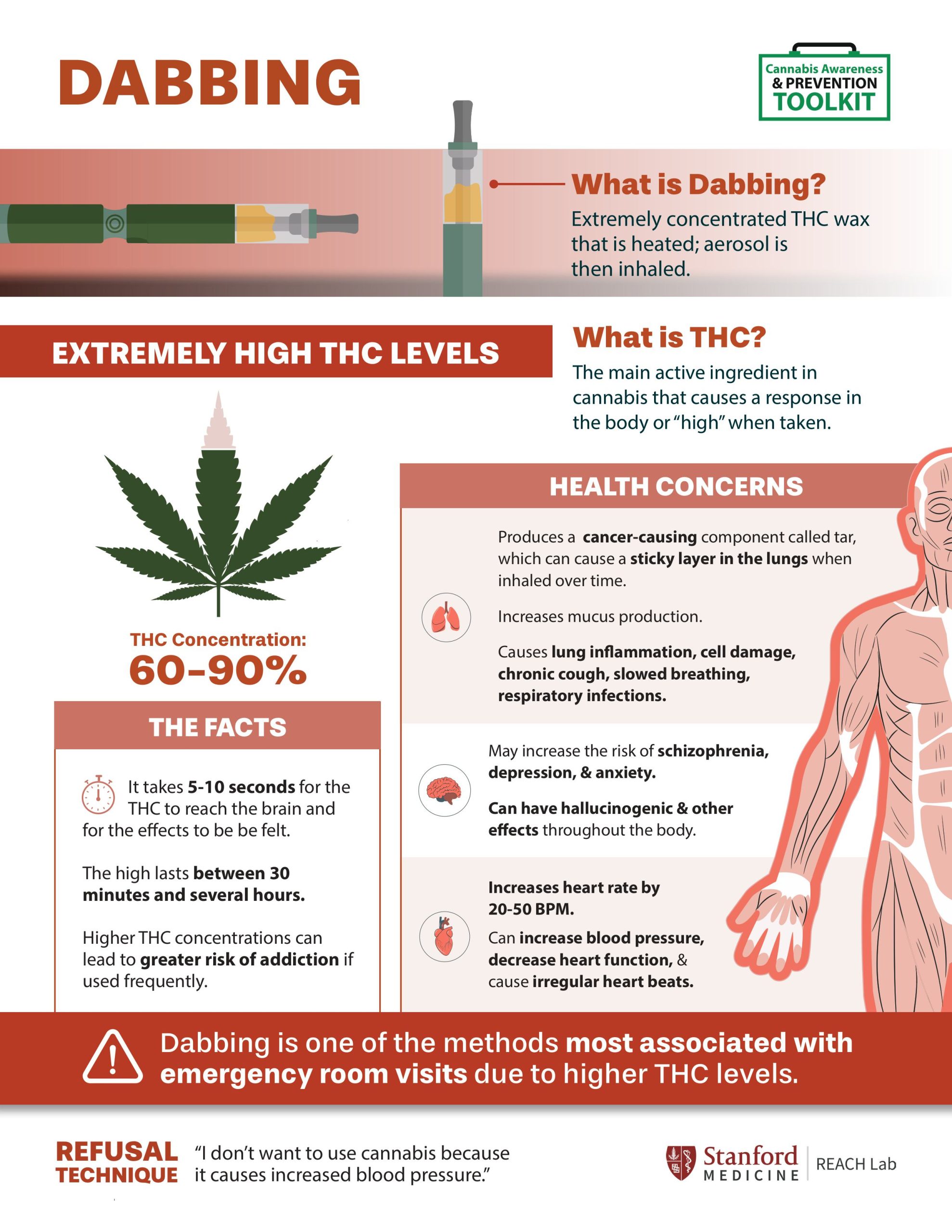
- Recent increase in cannabis-related Emergency Room visits
- Increase likelihood of dependency and addiction
- Increased availability of cannabis and variety of products
Health Effects
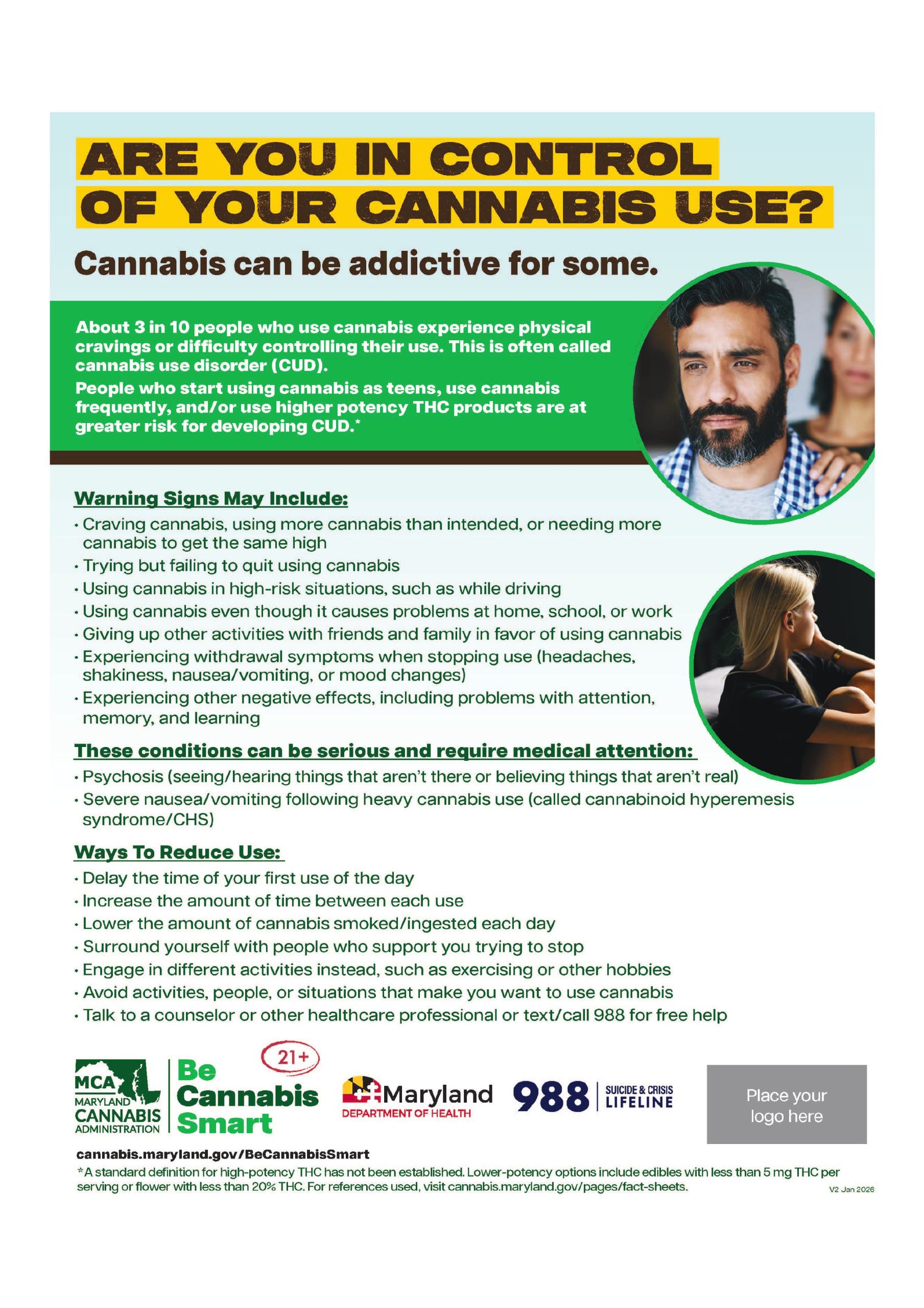
 CUD is an inability to quit using or having to use in order to be able to function.
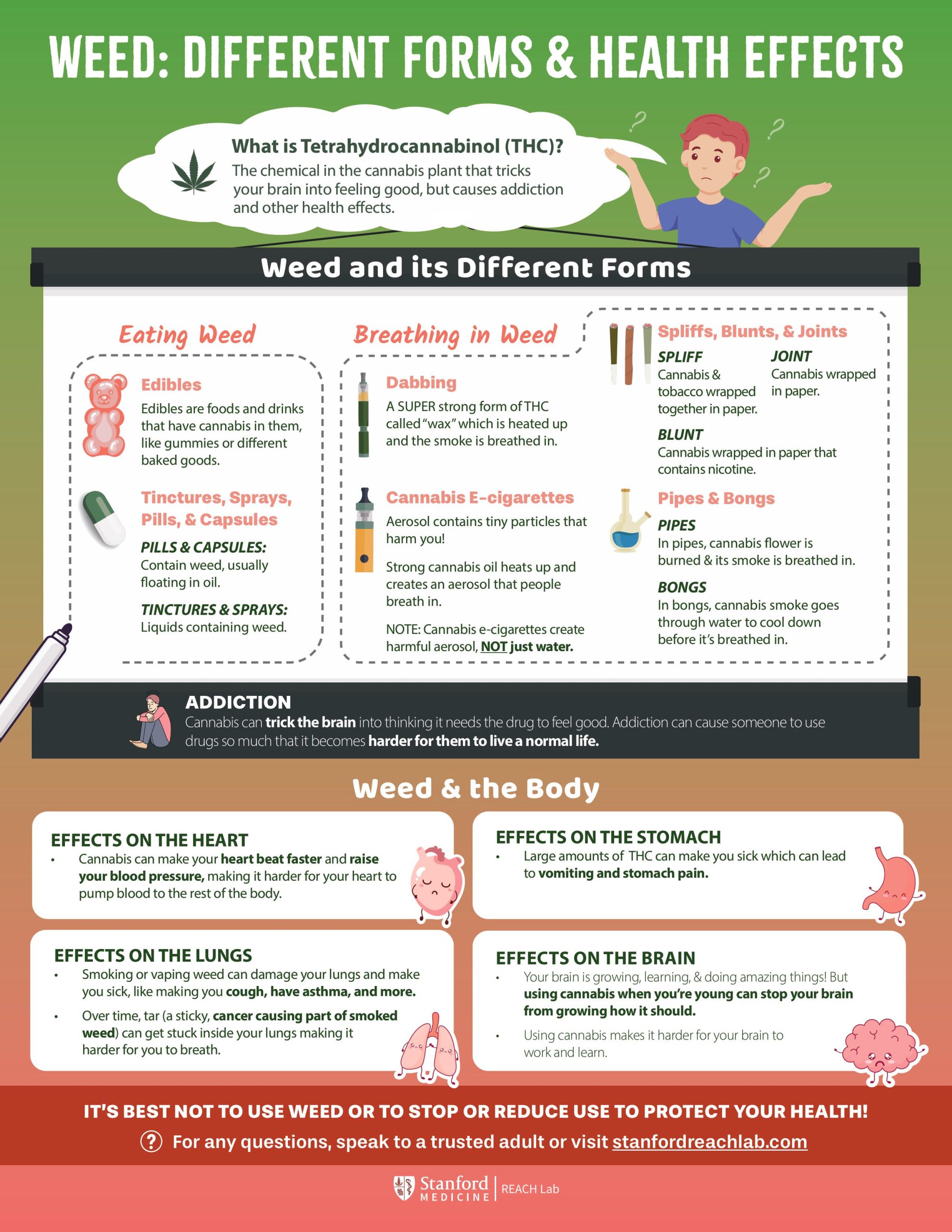
 Cannabis directly affects brain function which affects memory, learning, attention, decision-making, coordination, emotions, and reaction time.
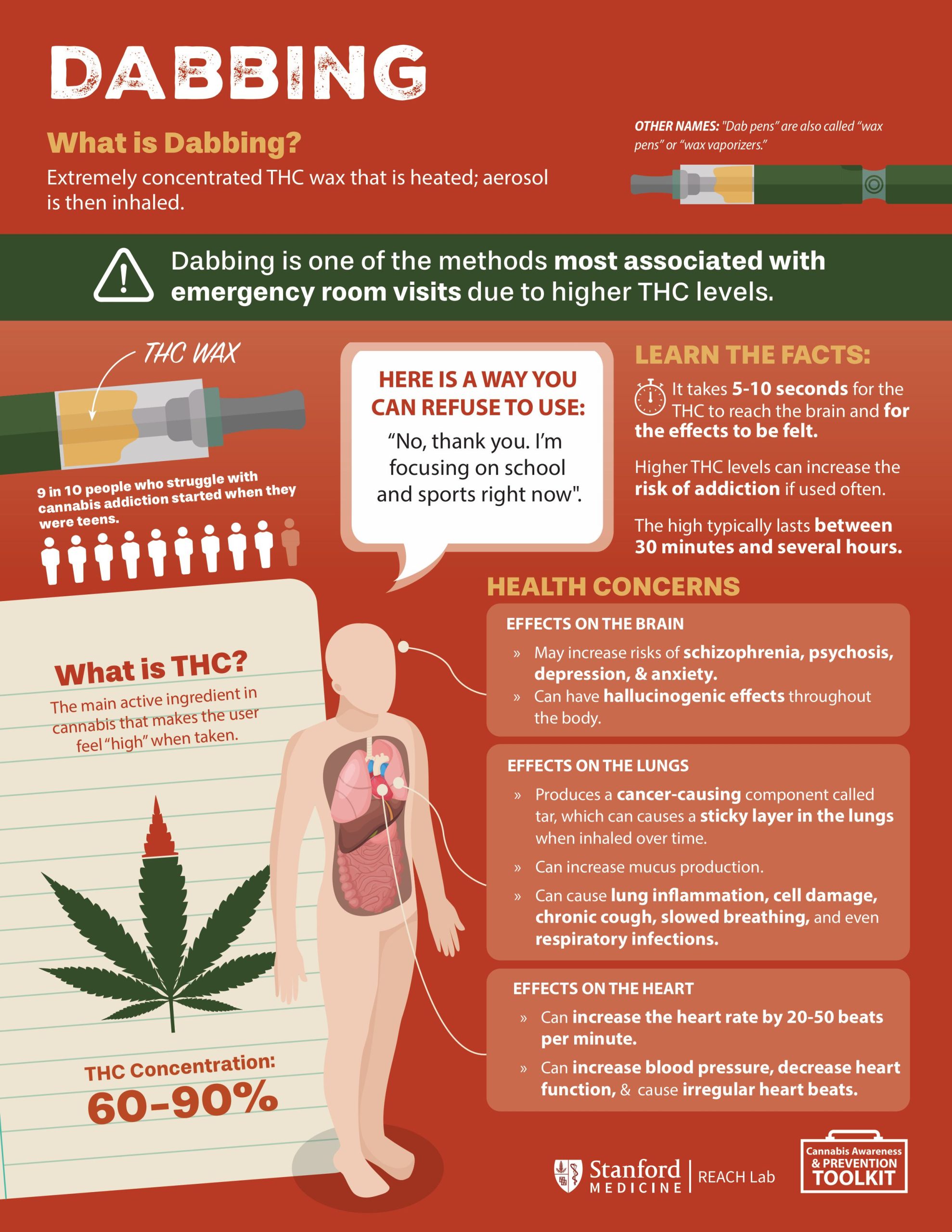
 After immediate use cannabis increases heart beat and blood pressure. Long-term effects include increased risk of stroke, heart disease, and other vascular diseases.
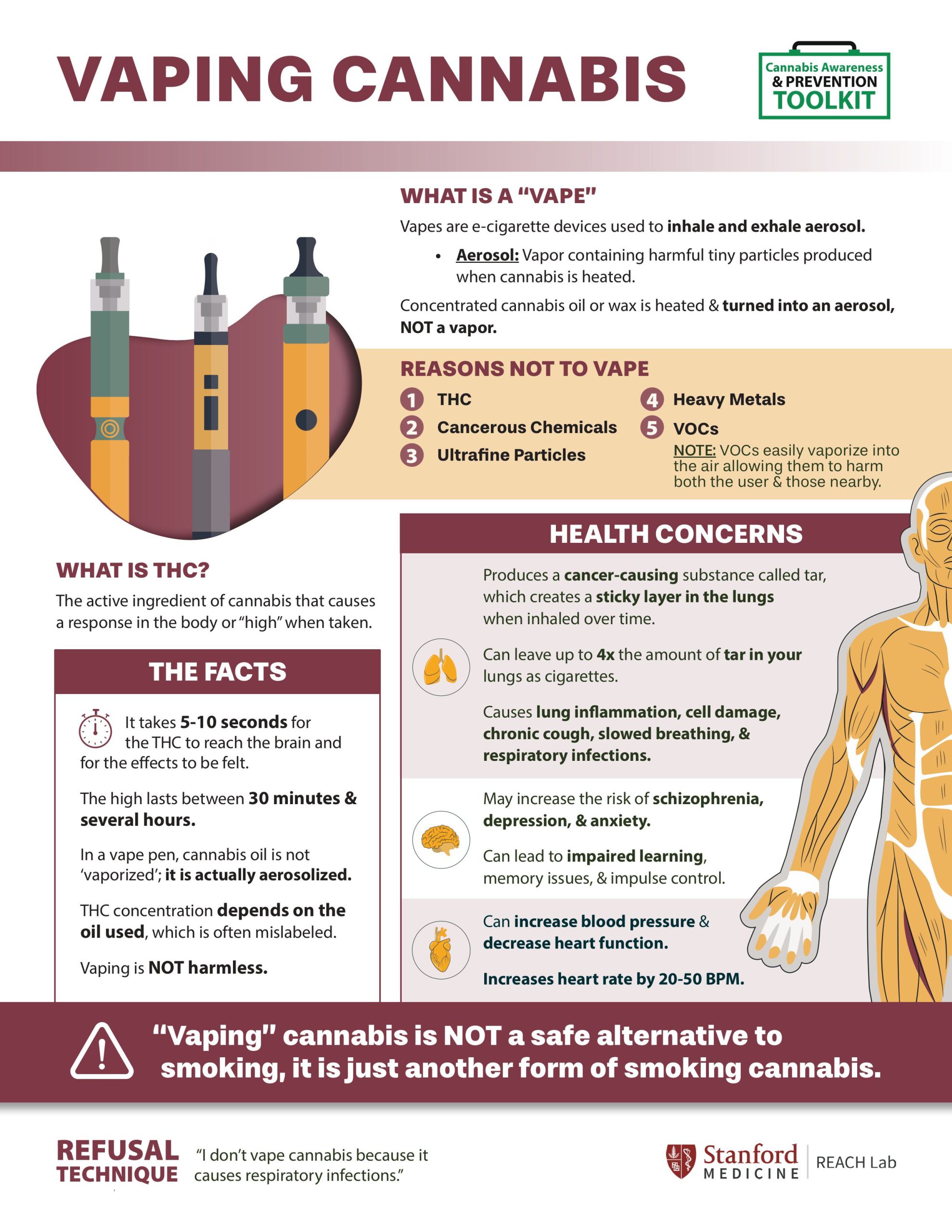
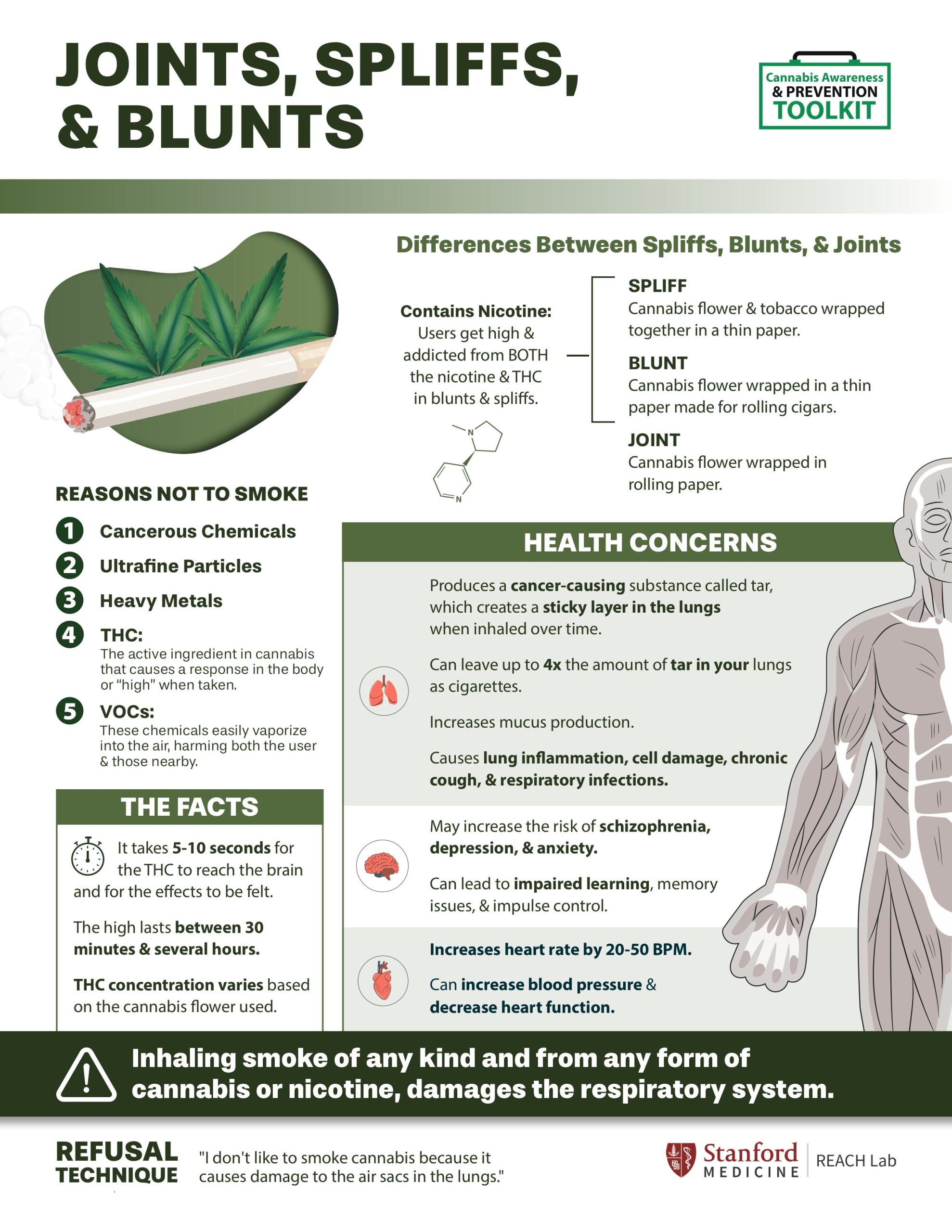
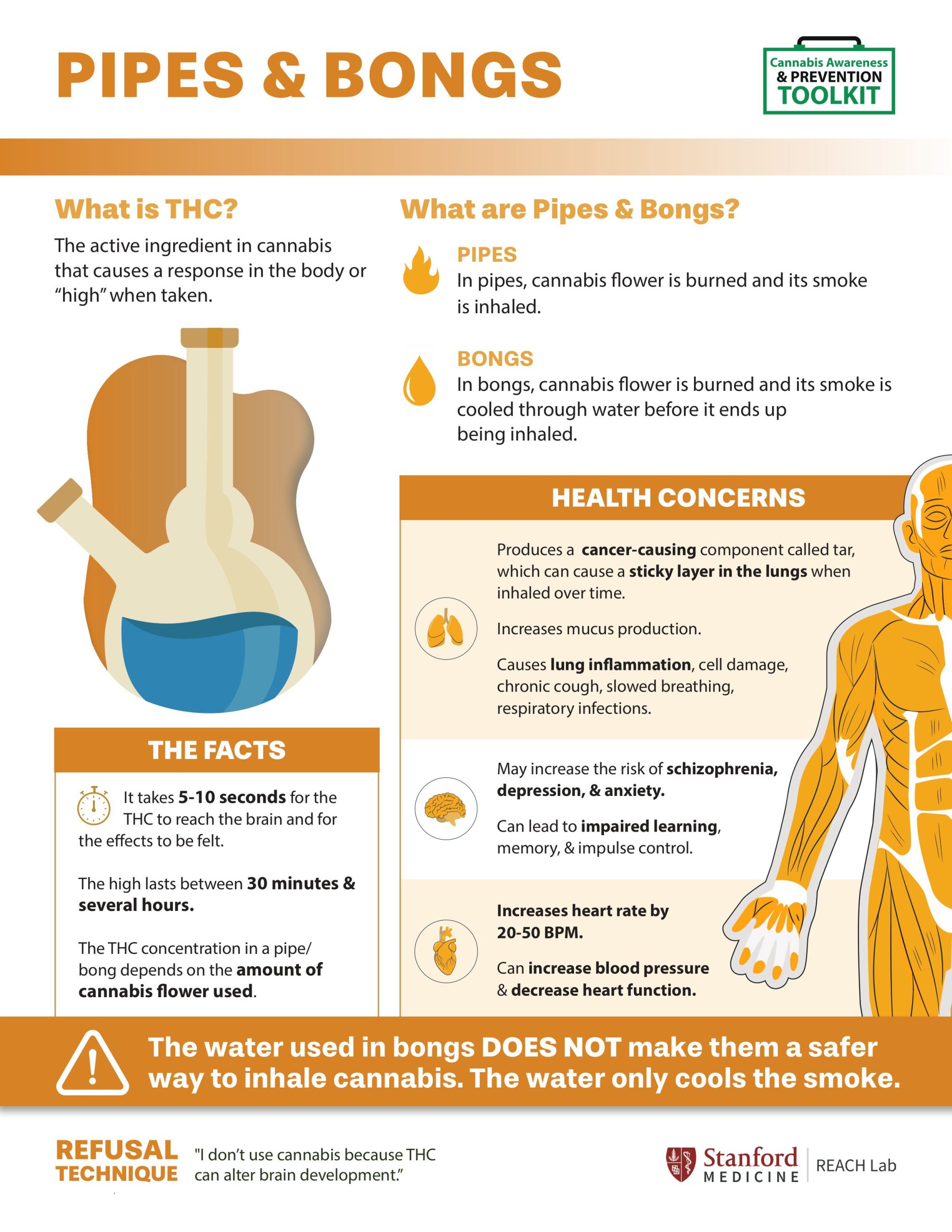
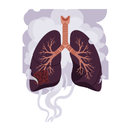 Smoking cannabis can harm lung tissues, cause scarring, and damage blood vessels regardless of whether it is vaped or smoked in a pipe or joint.
 Cannabis negatively affects your mental health, it has been linked to anxiety, depression, and schizophrenia. More research is needed to understand the relationship between mental health and cannabis use.
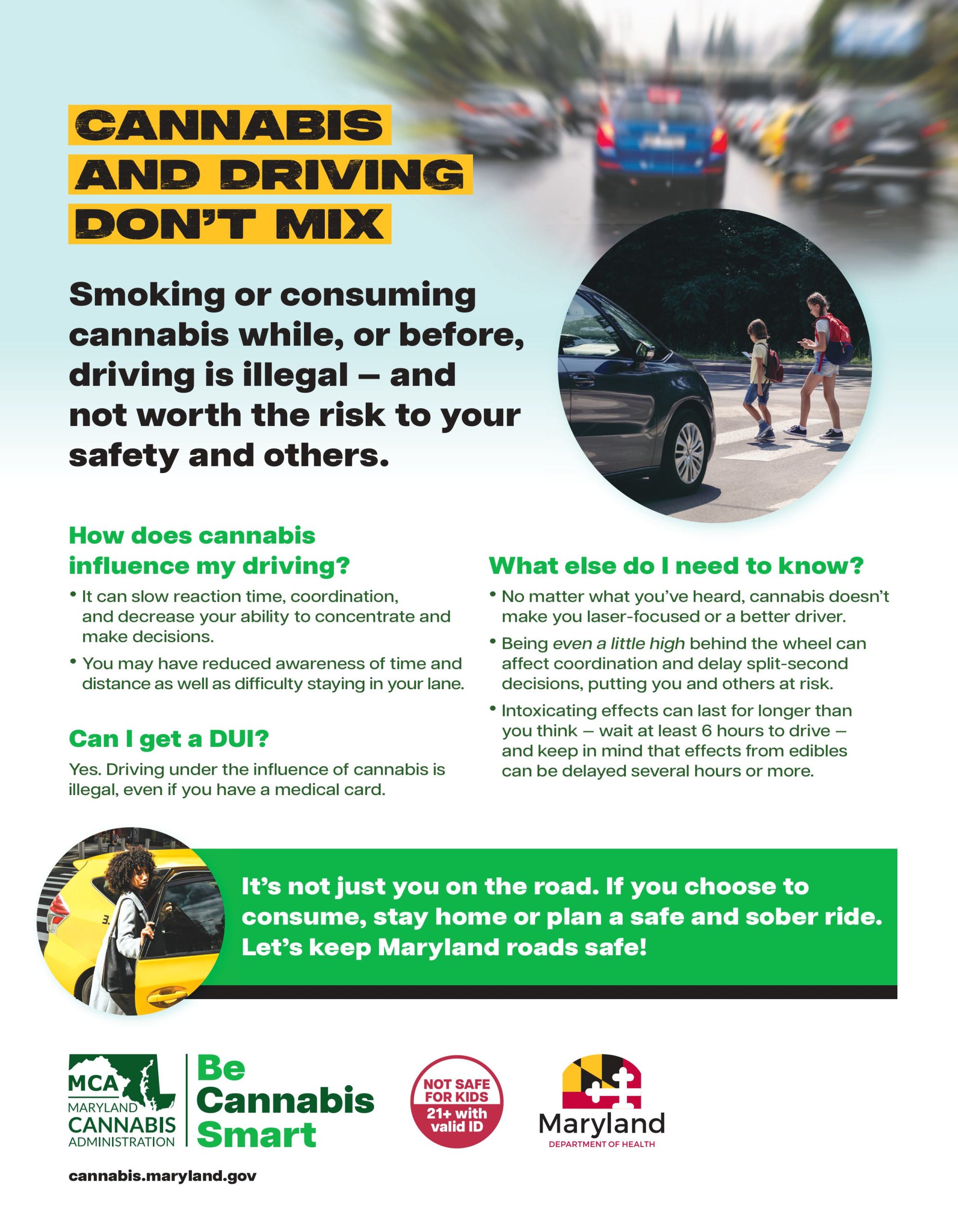
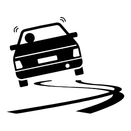 Impaired driving is dangerous and illegal. Cannabis negatively affects the ability to drive such as reaction time, coordination, and concentration.
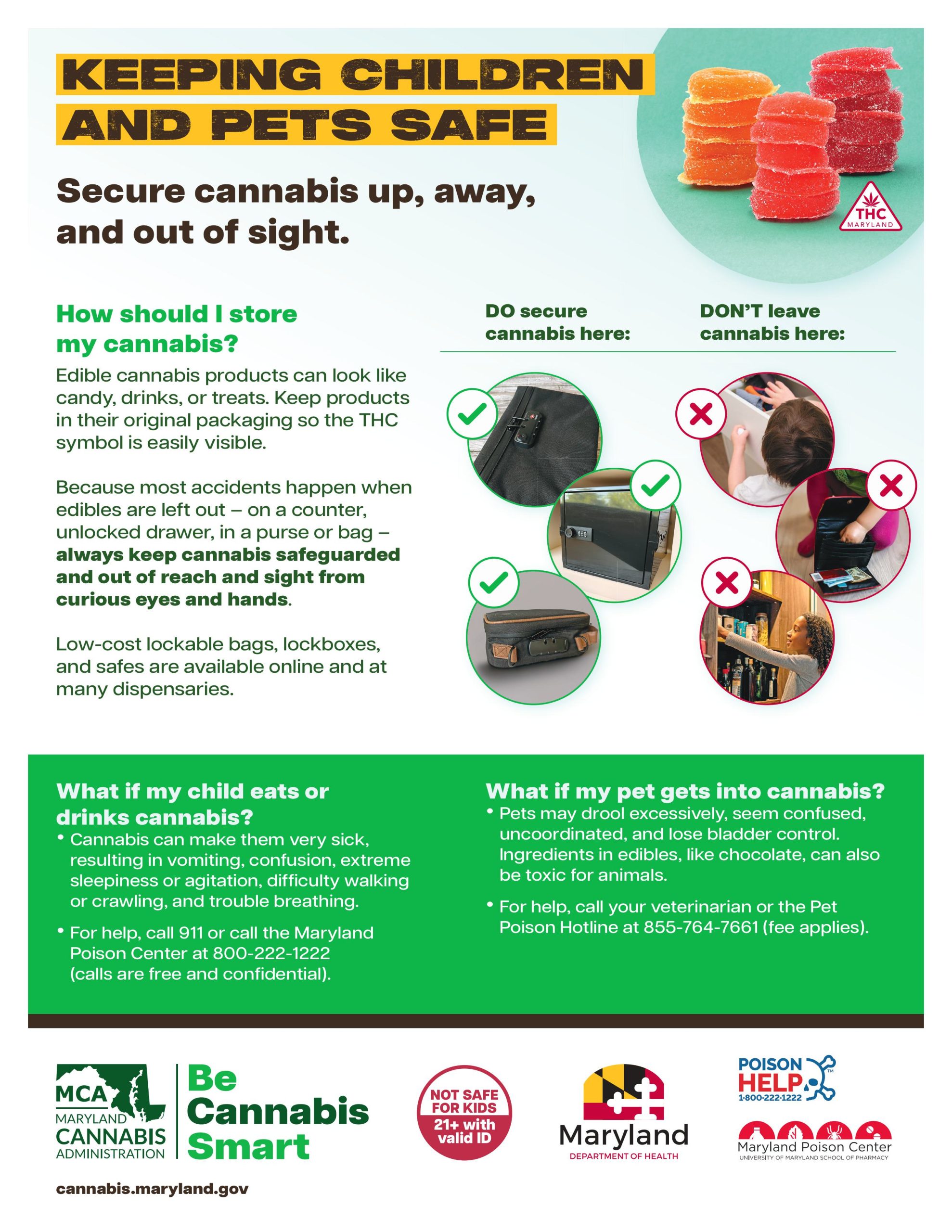
 Since the legalization of cannabis in Maryland there has been an increase in unintentional poisoning due to cannabis edibles resembling candy. Children and pets consuming THC can make them very sick and may require hospitalization.
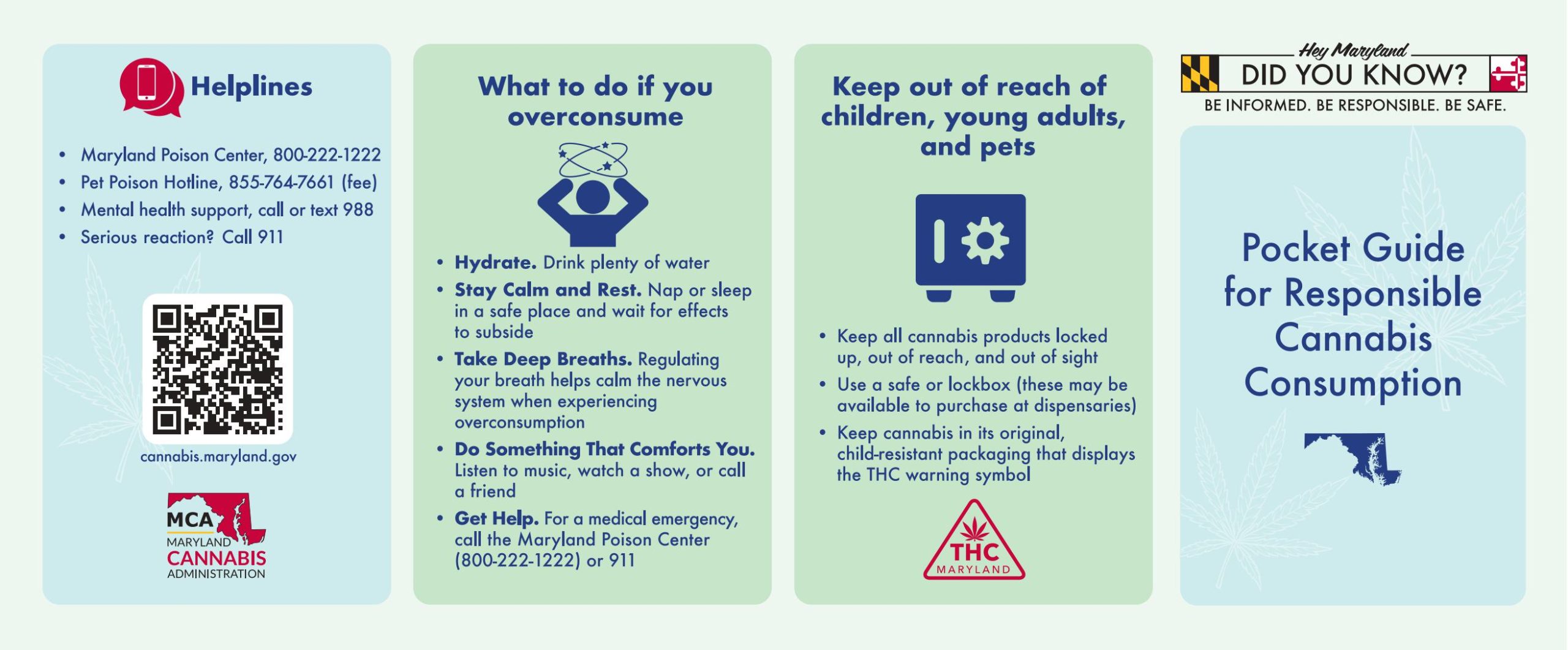
Call Maryland Poison Control if a child or pet gets into cannabis: +1 800-222-1222
 Cannabis contains many of the same toxic and cancer-causing chemicals found in tobacco smoke. This smoke contains THC that can be passed to children and can cause health issues like respiratory infections.
Explore Topics


What is Cannabis?
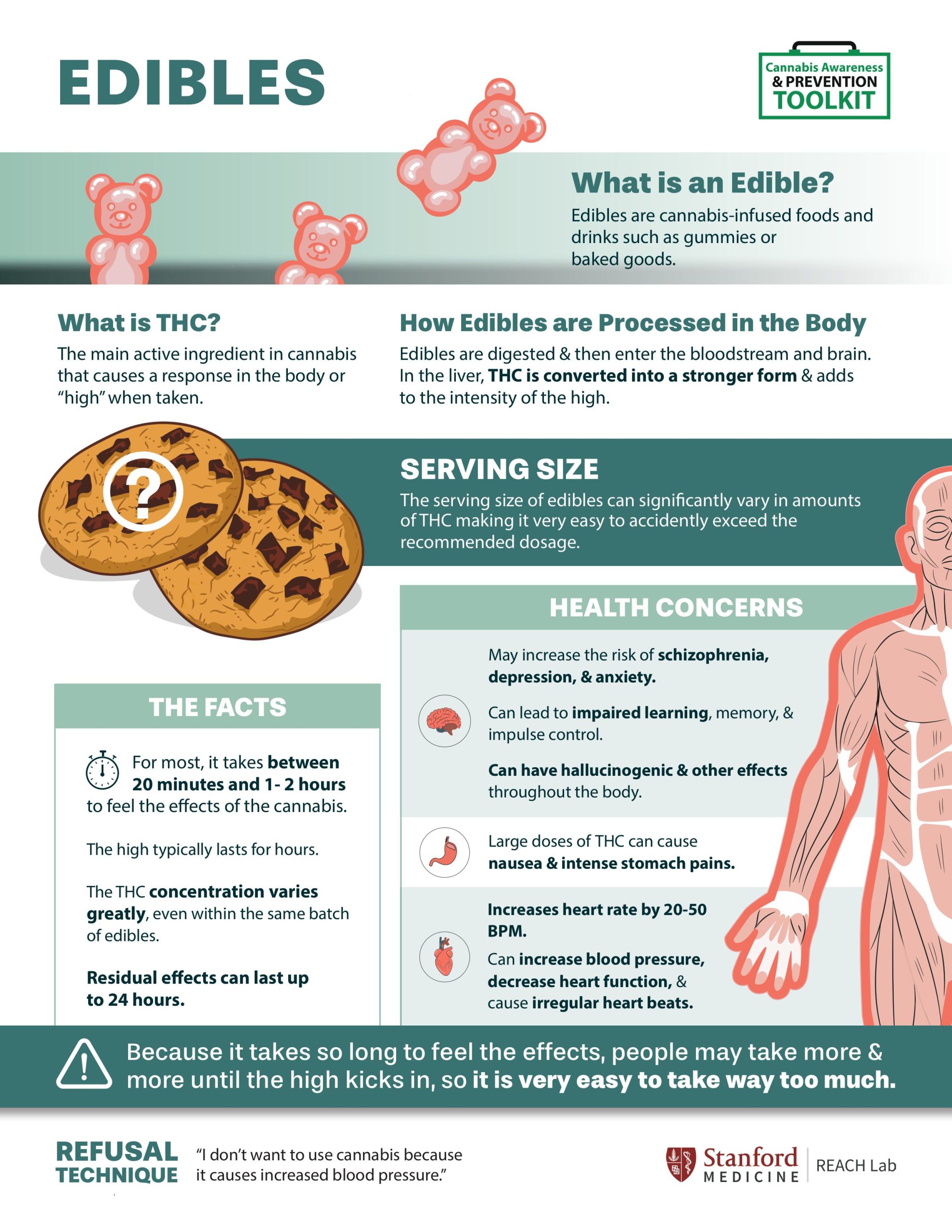
Cannabis has many names: “pot”, “marijuana”, “weed”. Cannabis has two main parts CBD and THC. THC is a mind-altering chemical that affects a person's mood, thoughts, and perceptions. Cannabis can be smoked, vaped, or eaten in a food or drink.
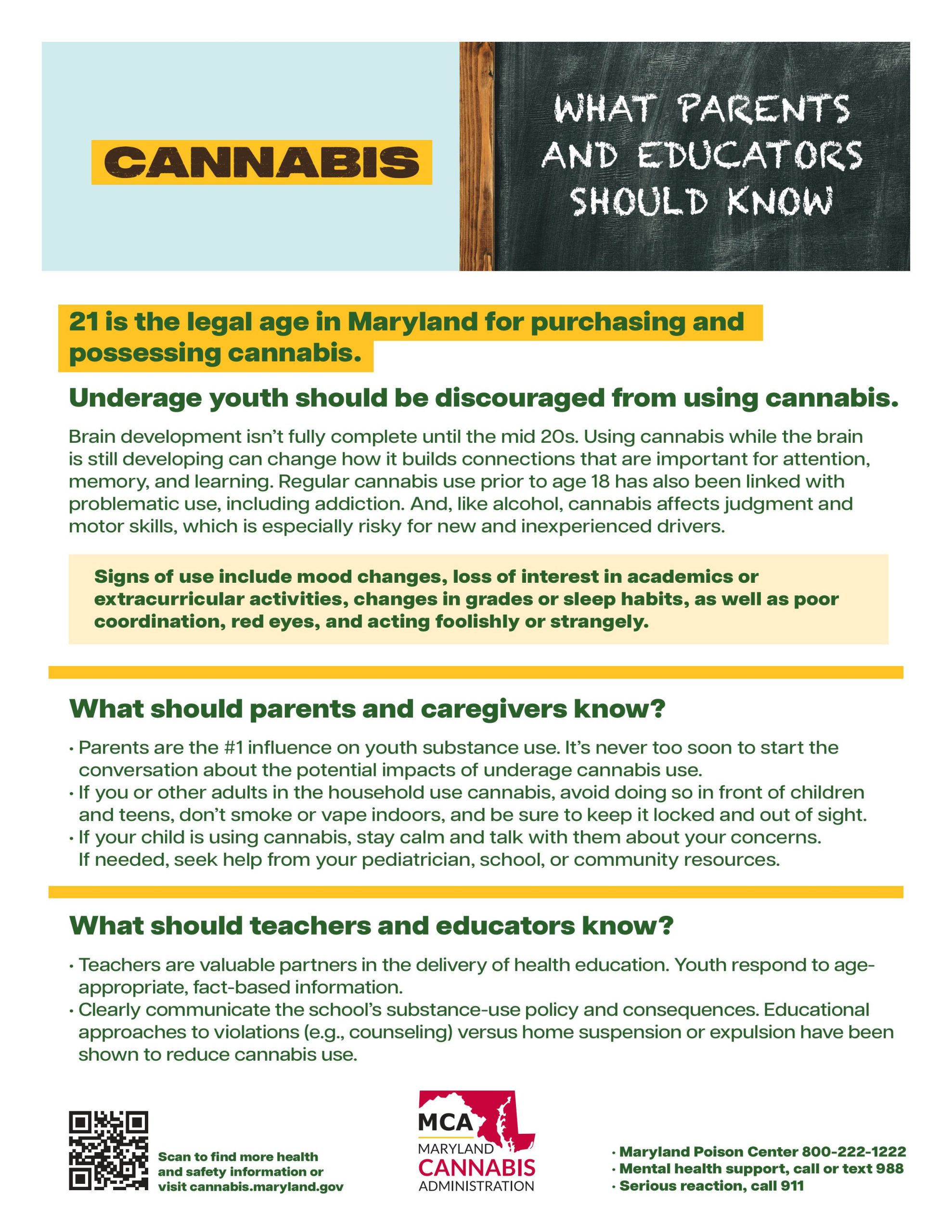
In Maryland cannabis is legal for medical and recreational purposes for those over the age of 21 years or older. Legalization has created a perception that cannabis is legal and therefore safe however that is not the case especially when it comes to people under the age of 21.
Effects on Brain and Body
Young people are more vulnerable to the effects of cannabis because their bodies and brains are still developing. Starting to use cannabis before the age of 18 significantly increases the likelihood of developing a cannabis use disorder by 4 to 7 times. It’s important to help our youth make informed choices and prioritize their health.
Brain
The negative effects of cannabis use among teenagers include:
- Influence on development: The brain does not fully develop until after the age of 25.
- Increased risk of mental health issues: There is a link between cannabis use and problems such as anxiety and depression.
- Difficulty thinking and problem-solving.
- Problems with memory and learning.
- Reduced coordination.
- Challenges in maintaining attention.
Body
Cannabis use can also impact physical health:
- Lung health: Smoking cannabis can harm lung function.
- Heart health: Cannabis use may affect cardiovascular health.
- Performance: Teens who use cannabis are more likely to drop out of high school or not pursue a college degree. It can also negatively affect athletic performance and create problems in social life by making it harder to maintain interpersonal relationships.
Myth vs. Facts
- Myth: “Cannabis is not harmful because it is legal”
Fact: The harms related to cannabis use are real like risk of addiction and effects on brain development. - Myth: “Everyone is using cannabis”
Fact: Most teens actually do not use cannabis. According to the 2025 Maryland Cannabis Use Bi-Annual Study — in Maryland about 14% of high school and 3% of middle school students reported past 30 day use.

What Parents Should Know
How to Start the Conversation about Cannabis?
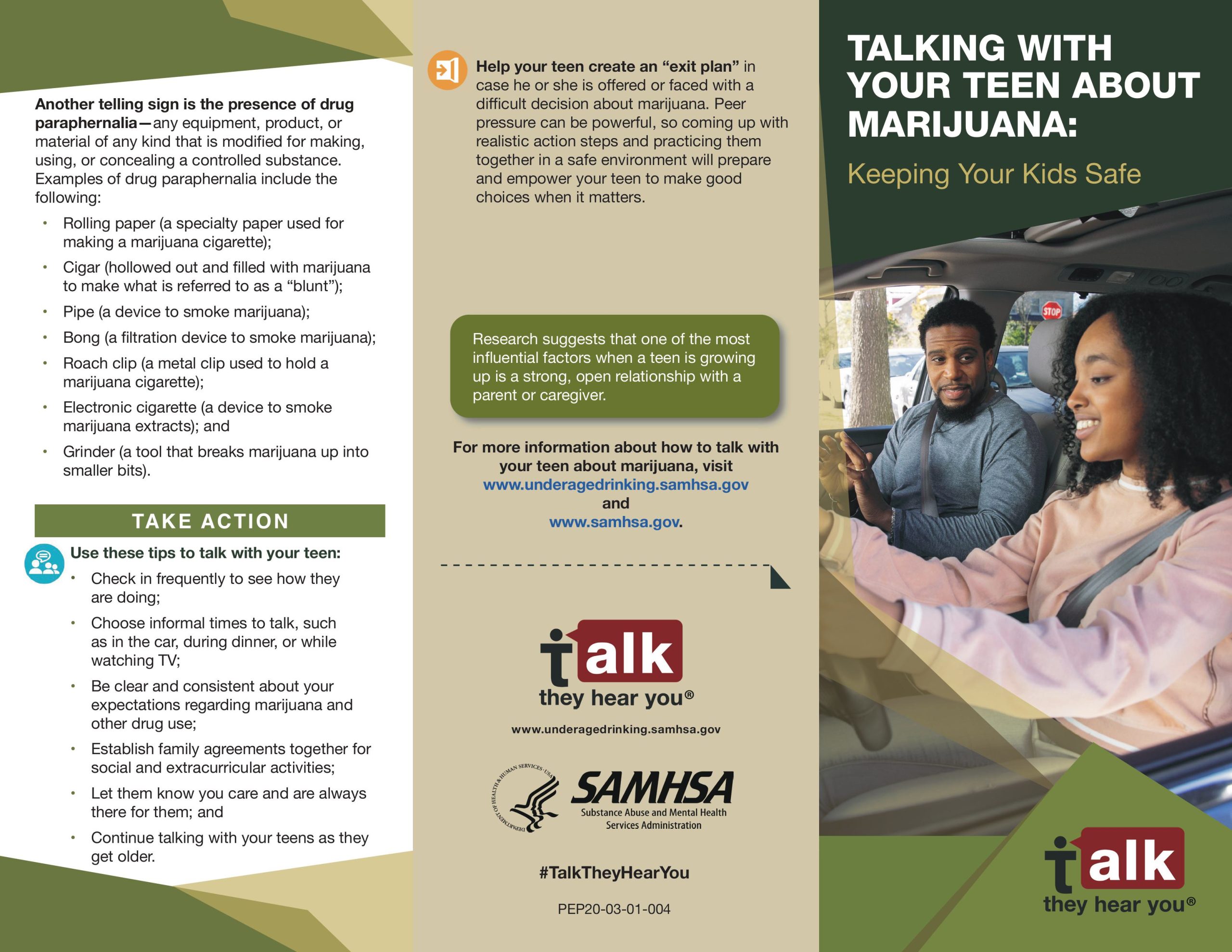
- Know the facts — stay informed about the types of cannabis, its effects, and laws around cannabis. Use sources like CDC and SAMHSA for credible research.
- Start the conversation — choose a moment (walk, drive, etc.). Do not lecture; teens respond better to a conversation. Keep the conversation going as they age and the cannabis scene changes.
- Answer questions — be open, honest, and nonjudgmental so they feel comfortable sharing experiences.
Talking to Teens About Cannabis Use Guide:
The Substance Abuse and Mental Health Services Administration’s (SAMHSA) “Talk. They Hear You.”® campaign helps parents and caregivers prepare to have a conversation with their children.
Know warning signs?
- Mood changes
- Changes in grades or sleep patterns
- Poor coordination
- Loss of interest in activities
- Red eyes
- Acting intoxicated

Common Questions
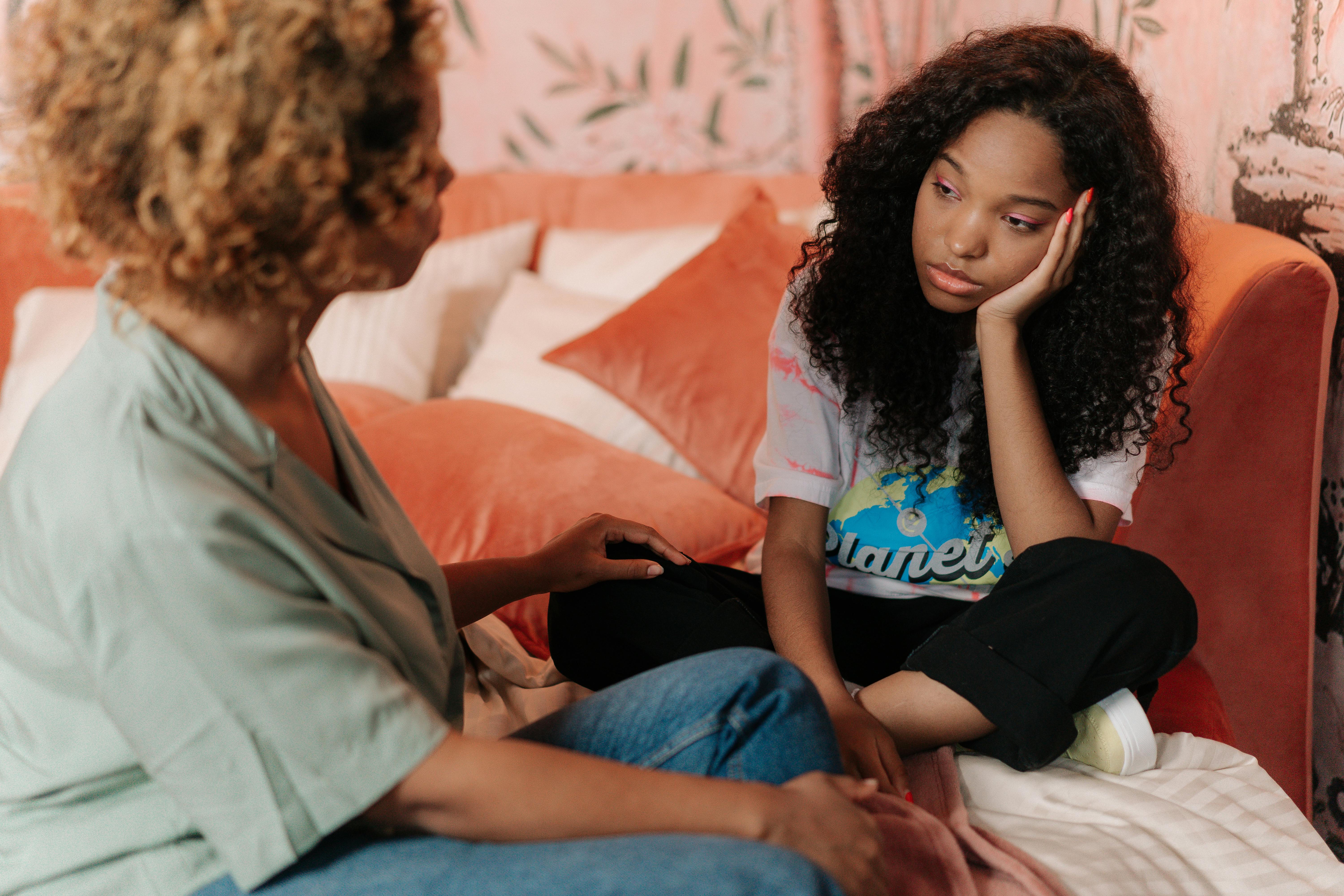
These aren't just questions—they are opportunities to connect. Use these pointers to provide honest, science-based answers while keeping the dialogue open.
- It’s only cannabis, what is so bad?
There are both short-term and long-term effects. Cannabis can make it harder to concentrate and slow reaction time which is especially dangerous when it comes to driving and overall decision making. Your brain is not fully developed until around 25 years old. Cannabis can have lasting effects on brain development, learning, memory, and attention span. - What is the big deal cannabis is legal now?
Cannabis is legal for people over the age of 21 years old. Youth are at a greater health risk because their brain and body are still developing. - If cannabis is used as medicine then it can’t be that bad.
Cannabis may help with specific illnesses for some people however when it is used as medicine it is overseen and monitored by a medical professional. - You used when you were my age, so why shouldn’t I?
Today’s cannabis supply is 3 times stronger than it was 20 to 30 years ago, it is easier to use too much and have a bad experience. More importantly, this potency comes at a higher risk of addiction.

What you need to know
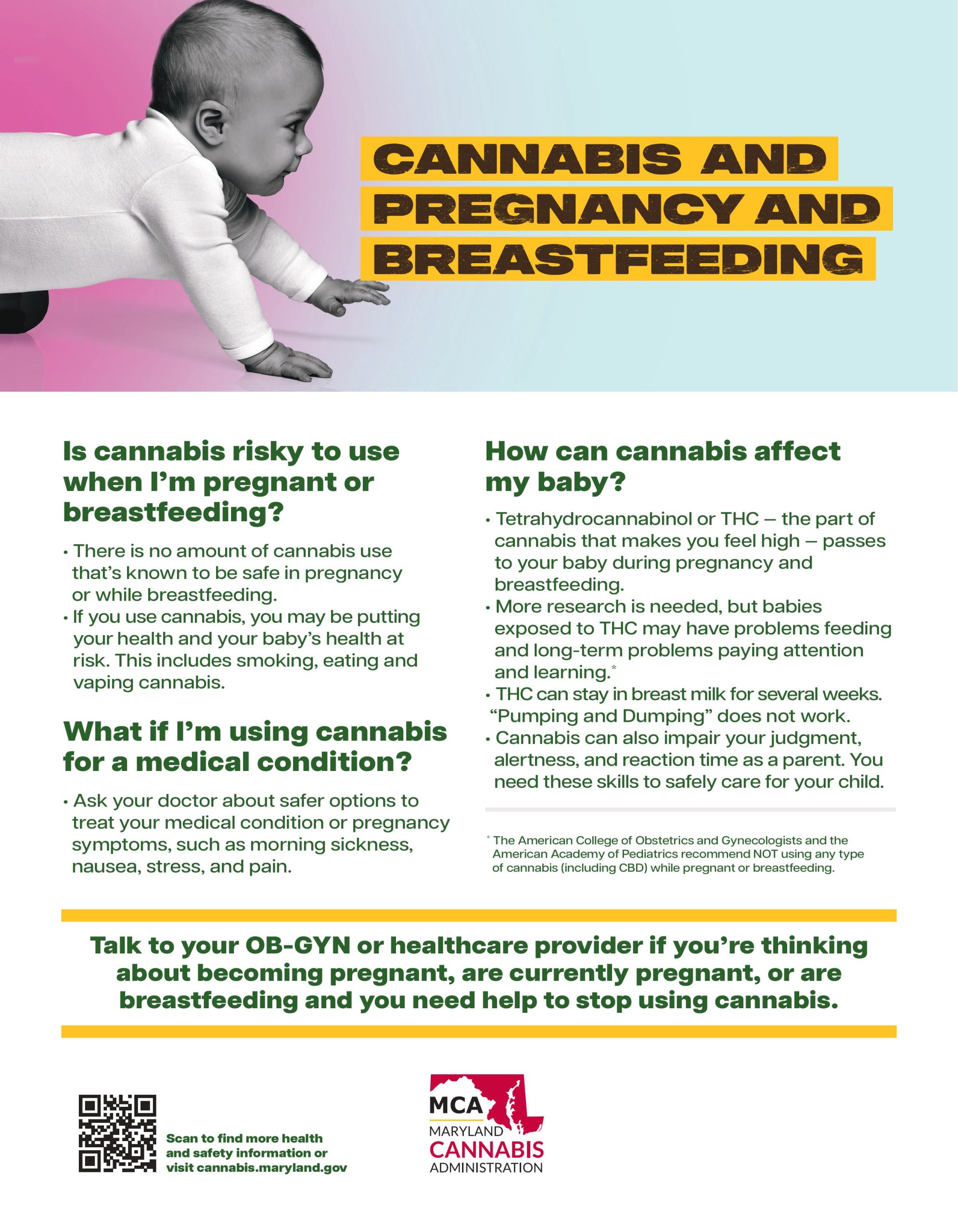
Cannabis is the most widely used drug during pregnancy to manage nausea and vomiting or “morning sickness”.
No amount of cannabis has been proven to be safe and due to THC the chemical that makes you feel “high” can be passed to your baby during pregnancy and breastfeeding which can cause serious harm to a baby’s health.
Let your baby have a healthy start in life!
Understanding Cannabis Risks
Baby’s Health
Cannabis use during pregnancy may be harmful to a baby’s health and can cause the following problems:
- Low birth weight
- Long-term brain developmental issues affect memory, learning, and behavior
- Greater risk of stillbirth
- Pre-term birth (born before 37 weeks)
- Fetal growth reduction (when a baby doesn’t gain the appropriate amount of weight before birth)


Breastfeeding
- THC and other chemicals in cannabis can be passed to a baby through breastmilk
- Increased risk of brain developmental issues
- Long-term attention and learning problems
- Impairs parent's judgment, alertness, and reaction time which can put your child at harm
Myth vs. Facts
- Myth: “Pump and Dump works”
Fact: No, THC can stay in breast milk for several weeks. - Myth: “Cannabis is natural so it is safe”
Fact: Not all natural plants are safe (example: tobacco).


Next Steps For Your Health
Talk to your OBGYN or healthcare provider if you are thinking about becoming pregnant, are currently pregnant, or are breastfeeding about cannabis use.

Cannabis Use for Adults 21+ : What to know
Be Familiar w/ Onset & Duration
- Flower (smoking) — Onset: 10 sec to 10 min • Duration: 30 min up to 6 hrs
- Vapes — Onset: 10 sec to 10 min • Duration: 30 min up to 6 hrs
- Edibles — Onset: 20 min up to 2 hrs • Duration: 4–24 hrs
Tips for a safer experience
Do:
- Purchase from a licensed dispensary
- Start low, go slow
- Consult healthcare professional for medical concerns
Do NOT:
- Mix cannabis with alcohol, tobacco, or other intoxicants
- Drive after consuming cannabis
- Smoke in public spaces
Know what to do if you overconsume
- Hydrate
- Stay calm and rest
- Take deep breaths
- Do something that comforts you
- Get help — 911
Know the Laws (Maryland)
- Possession amounts allowed:
- 1.5 oz of cannabis flower
- 12 g of concentrated cannabis
- Total amount not exceed 750 mg THC
- Smoking locations: Smoking cannabis is not allowed in any public place (parks, sidewalks) or indoor public places (bars, restaurants, public transportation, workplaces).
- 21+: You must be at least 21 years old to buy cannabis. The only places where you can legally purchase it are licensed dispensaries.
- State lines: Cannabis is still illegal under federal law. You cannot carry it from one state to another.
- Driving: Using cannabis while driving (driver or passenger) is illegal under Maryland law. Cannabis impairs reaction time, coordination, and concentration.
Legal Doesn’t Mean Risk-Free
People who consume cannabis long-term may experience:
Further research is needed to fully understand the link between long-term cannabis use and brain health; however, current research supports the following with Long-term Cannabis Use:
- Associated with a higher risk of developing or worsening MH conditions
- Can lead to cannabis use disorder (addiction) and withdrawal symptoms
- Long-term cannabis smoking increases the risk of respiratory issues
- Associated with increased risk of stroke, heart attack, and arrhythmias
- Long-term users can develop Cannabinoid hyperemesis syndrome - when a person has nausea, vomiting and abdominal pain
- Increased likelihood of developing cancer specifically head, neck, or throat cancer for smokers
Curious, Concerned or Ready for Change?
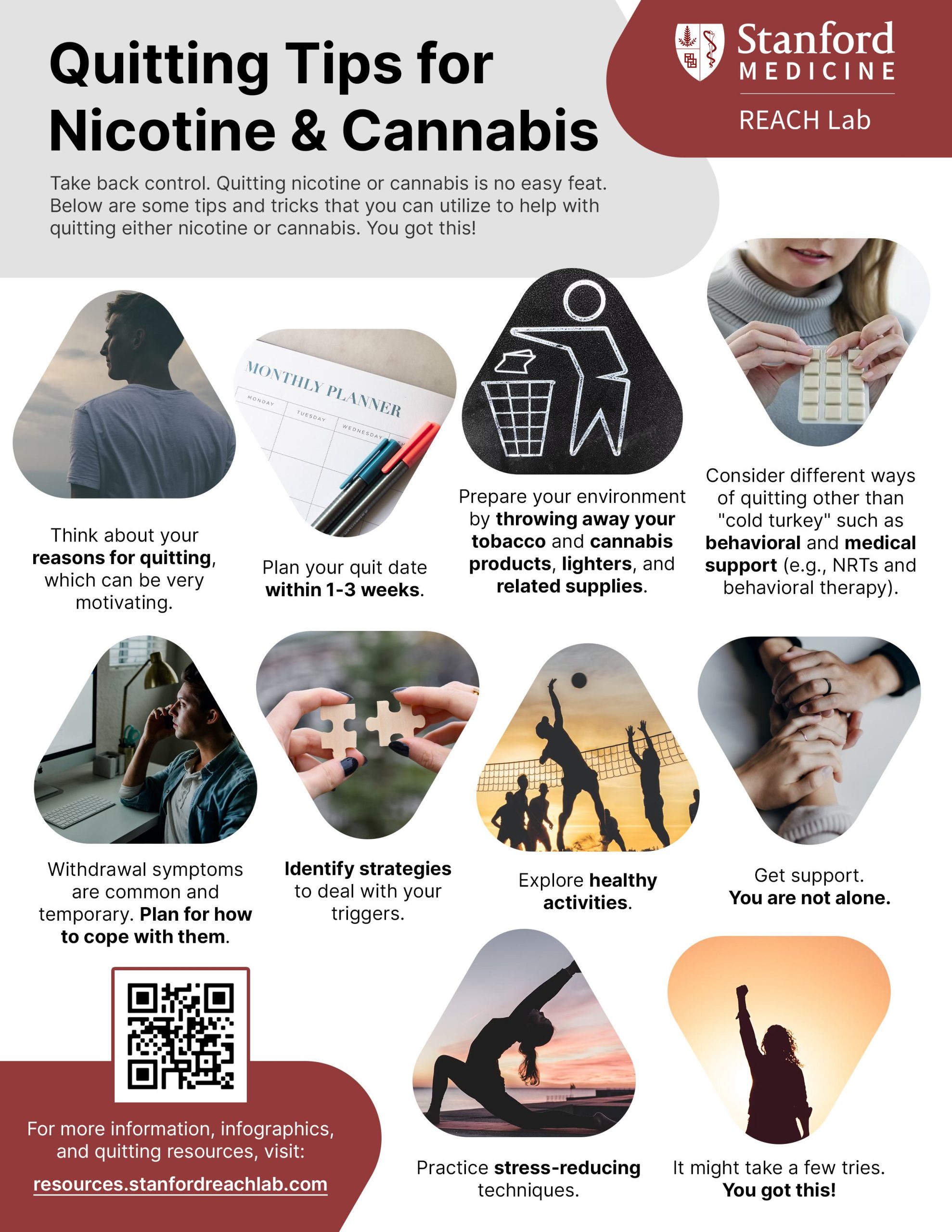
It is important to talk to your healthcare provider about cannabis use whether it is about quitting or medical concerns.
- Call or text 988 for support (MH or SUD help)
- Call Maryland 211 for statewide resources and referrals (MH, SUD, and more)
- Anne Arundel County contact: 410-222-6724


Aging & Cannabis: What you should know!
Older adults are people who are 60 years old or older. They are a unique population with specific risks and challenges.
Today’s supply is not what it used to be, cannabis has 3 times higher potency of THC than the previous decades.
Older female adults are more likely to use cannabis than older adult males.
Older Adults experience changes in their physiology. For instance, cannabis stays in their system longer because cannabis is fat soluble and older adults have a higher fat ratio.
Educational Resources & Materials
Explore cannabis education materials organized by audience.
General
Adult (21+)
- MCA Responsible Cannabis Consumption Brochure
- BCS Cannabis Outdoor Safety
- BCS Cannabis and Driving
- Routes of Consumption
Youth
- Cannabis and the Brain
- Elementary Cannabis Infographic
- Routes of Consumption
Parents & Caregivers
Pregnancy and Breastfeeding
Contact Us
Have questions or need Support?
- Request cannabis educational materials
- Schedule an educational training or presentation
- Get help or ask a question
Cassidy McConnell
Cannabis Prevention Specialist
hdmcco25@aacounty.org
(443) 970 - 8015
Anne Arundel County Department of Health
Systems Training Education and Prevention Services - STEPS
410-222-6724
steps@aacounty.org
Citations & Sources
- CDC — Cannabis Facts & Stats (2025)
- CDC — Cannabis Health Effects (2024)
- CDC — Cannabis & Teens (2024)
- NIDA — Cannabis (Marijuana) (2024)
- SAMHSA — Marijuana During Pregnancy: Know the Risks (2024)
- Maryland Cannabis Administration — Adult-Use Cannabis FAQs
- Maryland Cannabis Administration — BeCannabisSmart Brochure (PDF)
- Maryland Cannabis Administration — Talking to Teens Brochure (PDF)
- Maryland Cannabis Administration — Pregnancy Fact Sheet (PDF)
- Harvard Health — Cognitive effects of long-term cannabis use in midlife (Hill & Hsu, 2022)
- Harvard Health — Older adults and medical marijuana (Grinspoon, 2020)
- AMA — Cannabis side effects for senior & older adult patients (2023)
- Health Canada — Health effects of cannabis on adults over 55 (2024)
Order Flyers